

Case Study: Why Vantari VR Chose Greater Seattle to Scale
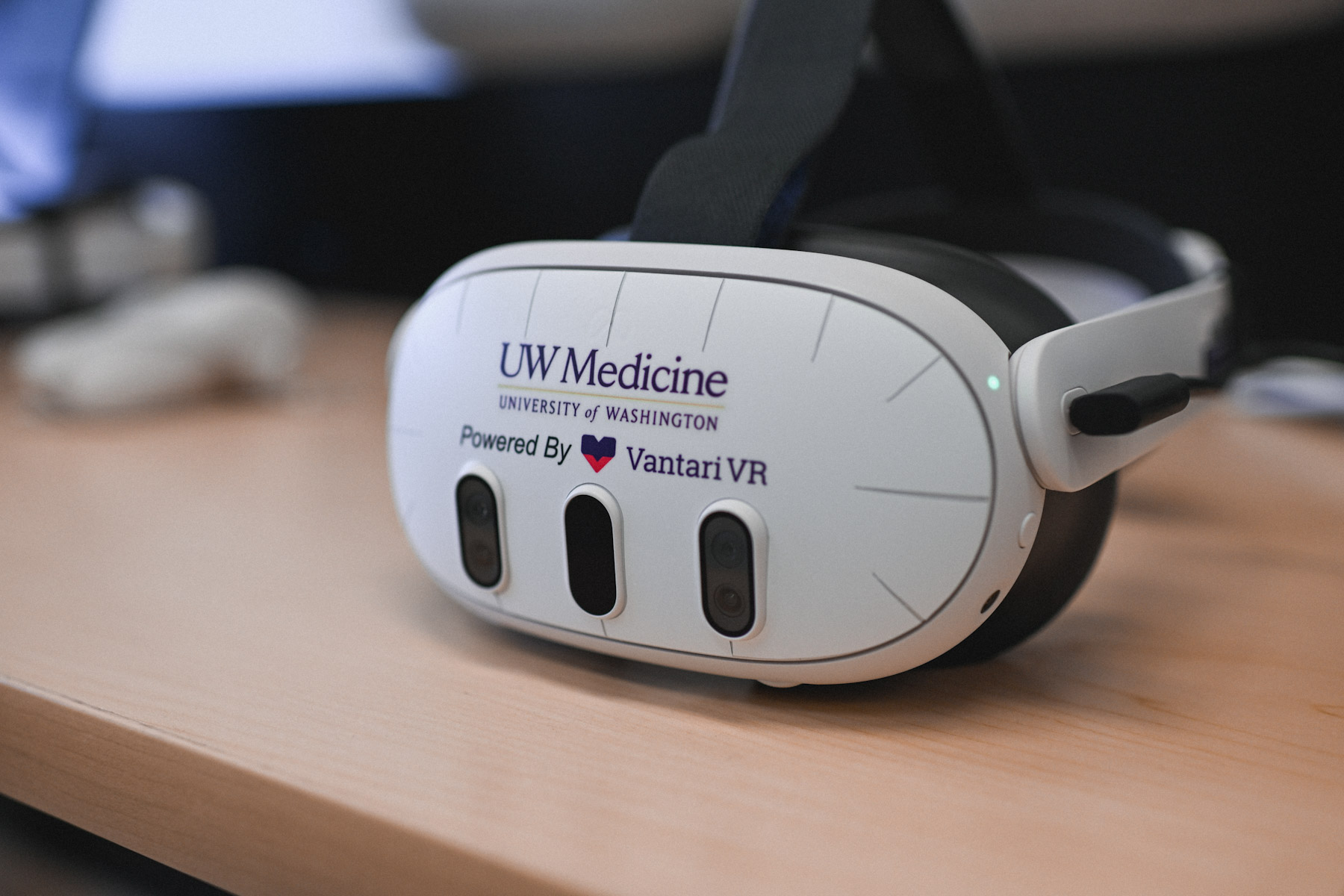
When Australian health technology company Vantari VR chose Greater Seattle for its North American headquarters, it was a strategic move for both market opportunity and ecosystem strength. In this case study, CEO Nishanth Krishnananthan shares insights on the company’s expansion and why Greater Seattle emerged as the right location for its next phase of growth. Vantari VR’s immersive virtual reality platform is transforming clinical training, reducing medical errors by up to 40% and improving performance by 32%, while scaling rapidly across U.S. health systems. By establishing operations in Seattle, the company is tapping into one of the nation’s leading life sciences and technology hubs: home to more than 42,000 life sciences jobs and a globally recognized concentration of AI, cloud, and healthcare innovation.
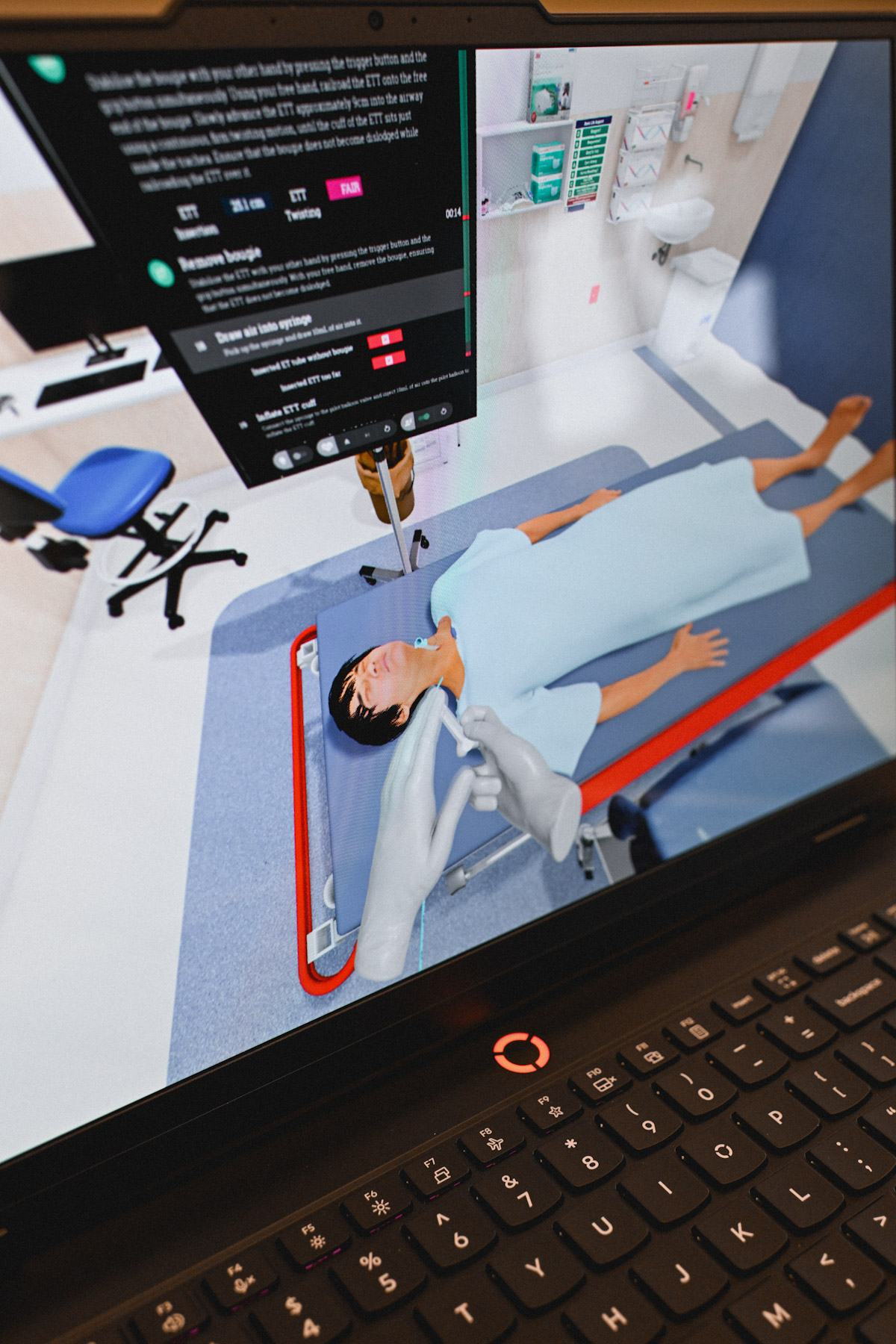
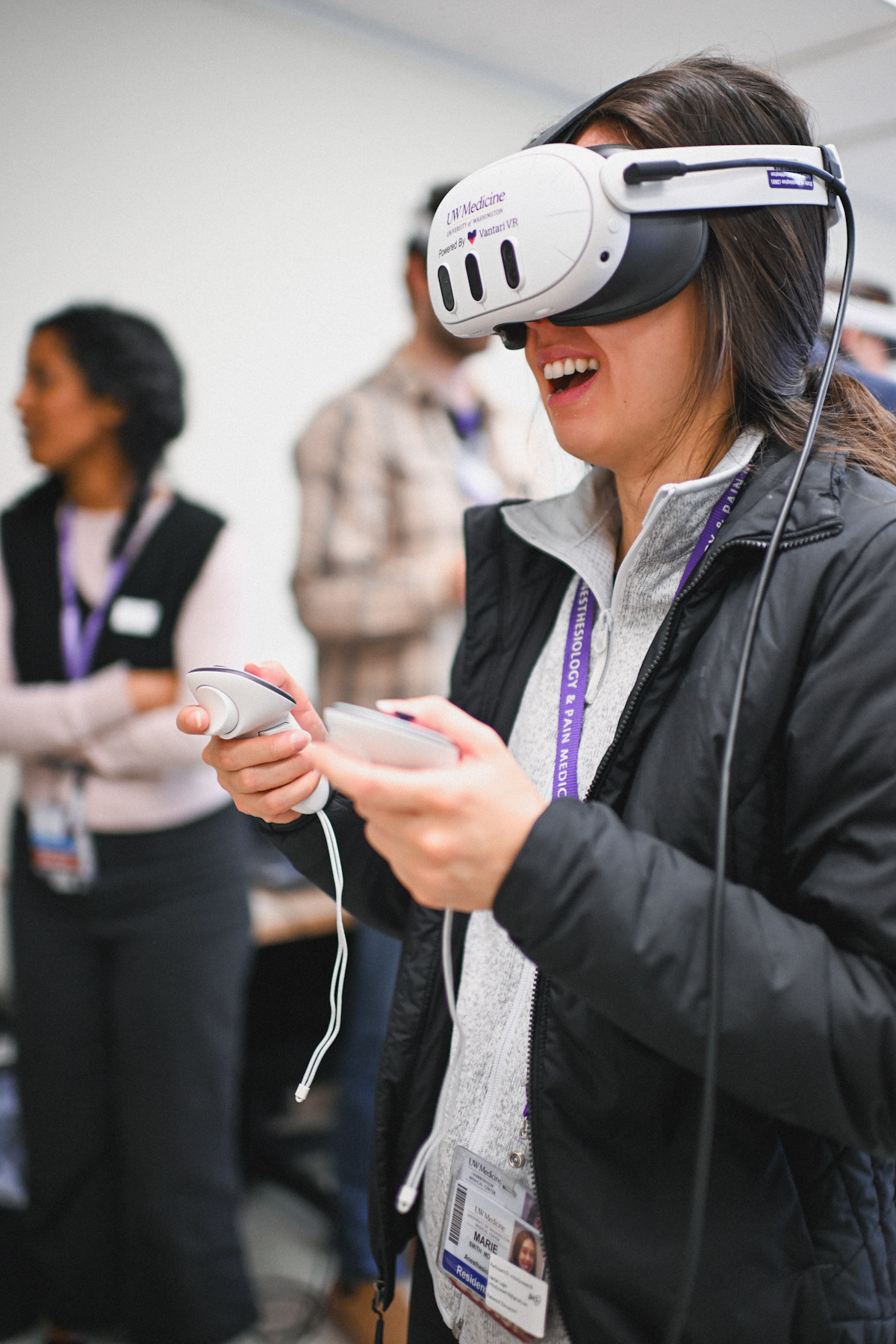
What business need or strategic opportunity led your company to expand in the Greater Seattle Region at this particular time?
Medical Error is the third biggest cause of death globally. Medical errors and other preventable adverse events cost U.S. hospitals approximately $17.1 billion every year.
The timing for us was driven by a huge market need. The pandemic was the first catalyst but Healthcare systems are continuing to face increasing workforce pressures and growing demand for scalable, high-quality training, particularly in complex procedural care where medical error continues to be prevalent. Our platform addresses this by enabling safe, repeatable, and AI data-driven training in virtual reality.
Vantari VR was expanded into the Greater Seattle region to accelerate the next phase of our growth at the intersection of healthcare, education, and advanced technology.
Seattle offered a unique blend of leading health systems, research institutions, and global technology companies. This in turn created an ideal environment for us to partner with leading key opinion leaders and clinicians, validate our simulation-based training platform in the US market, and continue advancing immersive and AI-driven medical education.
Establishing a presence in Seattle allows us to collaborate more closely with world-class institutions, access highly specialized talent, and contribute to a region that is actively shaping the future of healthcare innovation.
What about Greater Seattle felt uniquely right for your company’s next phase of growth?
Greater Seattle stood out as the right place for Vantari VR’s next phase because it brings together the exact ecosystem we need to scale – world-class healthcare, leading research, and global technology leaders, all in the one region.
Institutions like the UW Medicine are at the forefront of clinical education and research, while organizations such as Fred Hutchinson Cancer Center are driving cutting-edge innovation in clinical care. At the same time, companies like Amazon and Microsoft provide unparalleled depth in AI, cloud, and immersive technologies.
For us, this combination on paper made Seattle a no brainer. Seattle has a strong track record of translating innovation into real-world healthcare impact. That alignment between research, clinical practice, and technology development is critical as we scale more advanced, data-driven training solutions. Coming from Australia, Seattle had the opportunity to take us to the next level.
As demand grows for scalable, high-quality clinical training, Seattle gives us the partners, talent, and environment to move faster and deliver real impact, both locally and globally.
How have local partners in the region, such as universities, industry organizations, public-sector partners, or Greater Seattle Partners, helped support your expansion?
Local partners have played a critical role in accelerating Vantari VR’s expansion into Greater Seattle.
Engagement with institutions like Seattle University and UW Medicine has provided valuable clinical insight and opportunities for collaboration around training and validation. At the ecosystem level, organizations such as Greater Seattle Partners have been instrumental in helping us navigate the region, making introductions, aligning us with key stakeholders, and supporting our market entry. In addition, Seattle is also one of the strongest regions in the U.S. for accessing healthcare and research funding, with leading institutions consistently securing significant NIH and federal grants. That environment creates meaningful opportunities for collaboration and non-dilutive funding.
We’ve also benefited from the region’s strong public-private collaboration model, which makes it easier for companies like ours to engage with health systems, researchers, and industry leaders in a coordinated way.
We have also been fortunate enough to be backed by two highly respected pacific northwest investment groups, SpringRock VC and Bill Gates founded Alliance of Angels.
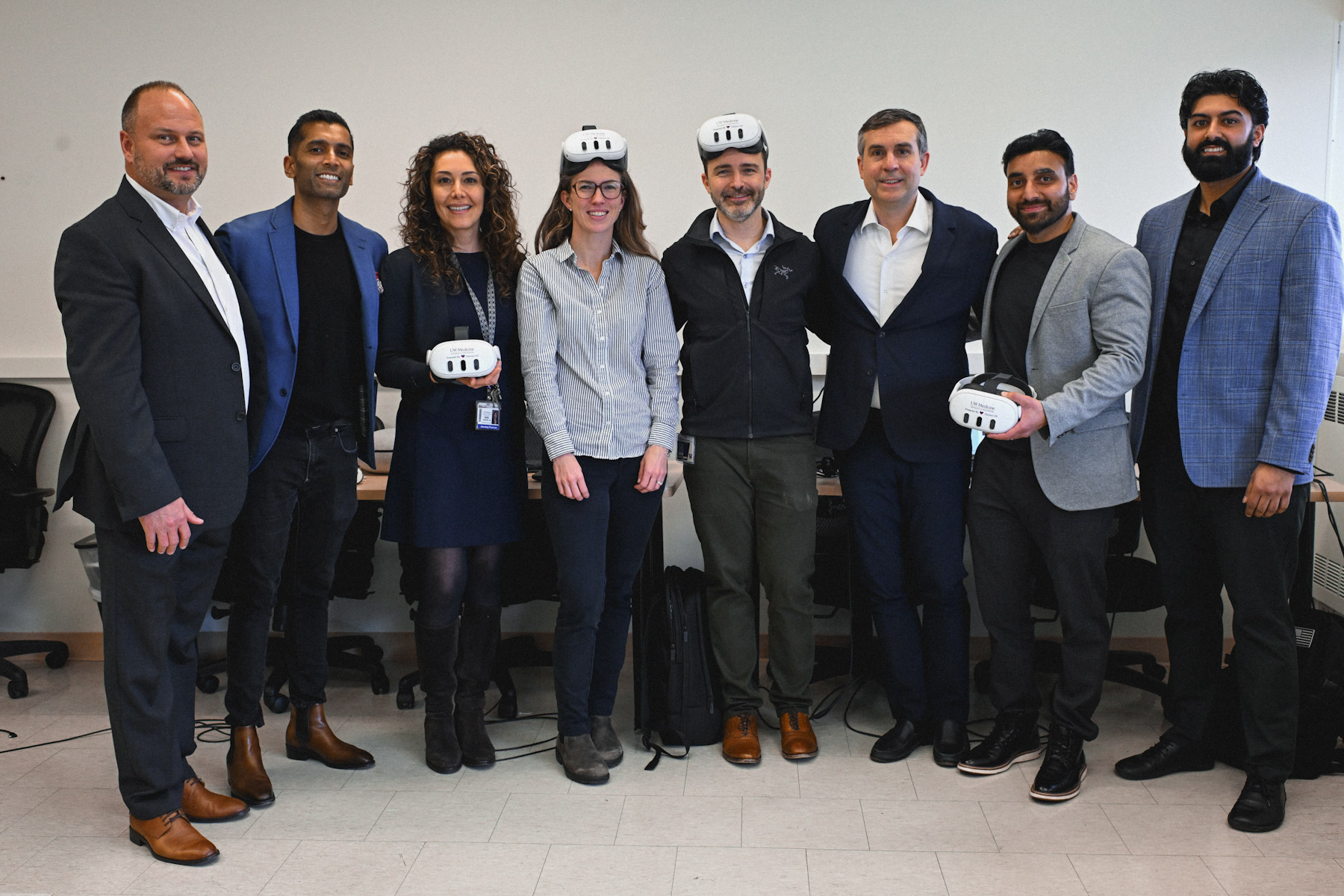
Josh Davis, Chief Economic Development Officer & Senior Vice President at Greater Seattle Partners joined Vantari VR for a demo day at the University of Washington Anesthesiology & Pain Medicine
What has the expansion enabled for your business so far: new jobs, new customers, faster production, stronger R&D, supply-chain advantages, or another measurable outcome?
Our expansion into the U.S., and specifically Greater Seattle, has significantly increased both the visibility and impact of our mission.
We have grown from supporting approximately 10 hospitals in Australia to more than 30 across the United States in a relatively short period, demonstrating both the scale of the market and the strong demand for advanced, simulation-based clinical training.
The expansion has also enabled us to attract exceptional talent that would have been difficult to access from Australia alone. This includes experienced founders who have successfully exited, senior computer science engineers from companies such as Amazon and Microsoft, leading clinical key opinion leaders who have joined our advisory board, and highly regarded simulation and medical device experts supporting our commercial growth.
Importantly, our U.S. presence has allowed us to engage with world-leading health systems, including Yale, Beth Israel, NYU Langone, Mount Sinai, Johns Hopkins, and Penn Medicine. Establishing relationships at this level would have been significantly more challenging without a North American base.
In addition, many of the world’s leading medical device and pharmaceutical companies are headquartered in the U.S. Being based in Seattle has enabled us to secure strategic partnerships with organizations such as Fujifilm Sonosite, headquartered locally and a global leader in ultrasound, as well as Boston Scientific, Johnson & Johnson, and Edwards Lifesciences to name a few.
We have also seen strong growth across our core clinical segments including anesthesia, critical care, and emergency medicine, while expanding into cardiology and sonography. This has been supported by access to powerful channel partners and accrediting bodies such as Inteleos.
Overall, our expansion has accelerated growth across talent, R/D, partnerships, and customer adoption, positioning us strongly for continued global scale.
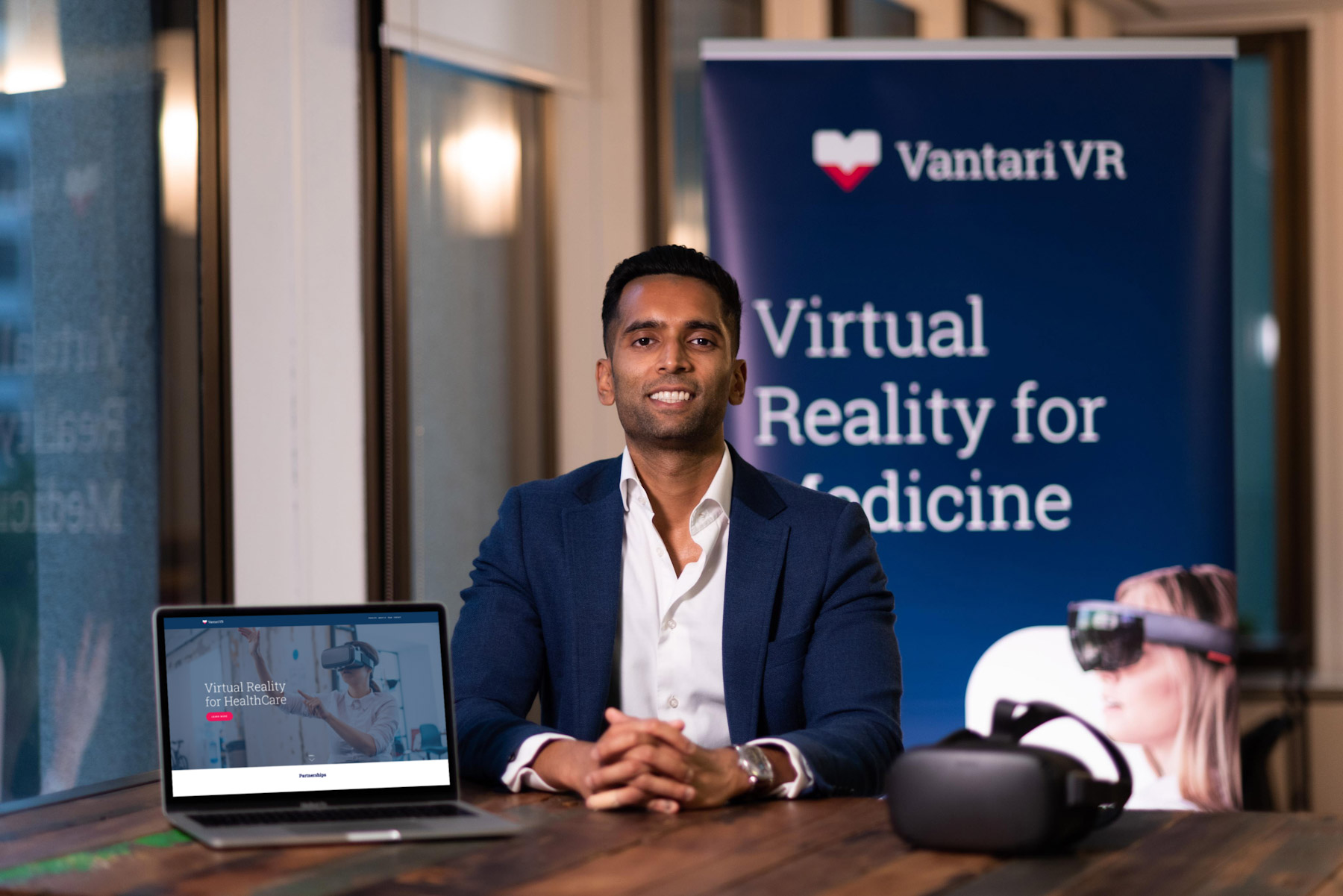
Nishanth Krishnananthan, Chief Executive Officer at Vantari VR.
Nishanth is a Surgical doctor in Australia with over 10 years of experience in Medicine and Surgery in both metropolitan and rural hospitals.
Looking ahead, how do you see your company growing in Greater Seattle over the next three to five years?
Over the next three to five years, we see Greater Seattle becoming a key hub for Vantari VR’s global growth.
We plan to expand our presence by building a high-impact team across engineering, clinical partnerships, and commercial functions leveraging the region’s deep expertise in AI, cloud, and healthcare. This will continue to strengthen our R&D capabilities and accelerate the development of next-generation, data-driven training solutions.
We also expect to deepen our partnerships with leading health systems and academic institutions, embedding our platform more broadly into clinical training programs and co-developing new use cases alongside clinicians. In parallel, Seattle will serve as a strategic base for expanding collaborations with major medical device and pharmaceutical companies as simulation becomes increasingly central to education and clinical adoption.
Looking ahead, we are inspired by companies like Amazon, Boeing, and Microsoft that have scaled globally from the Greater Seattle region. Our ambition is for Vantari VR to become the global leader in VR simulation training – helping reshape healthcare education from our base in Seattle.
To support this, we plan to establish infrastructure that sits at the intersection of health and technology, while growing our local team to approximately 50 employees across computer science, AI/ML, operations, and business development. We will also continue to leverage government and institutional funding to support innovation as we work toward our north star: reducing medical error and improving patient outcomes through scalable, immersive training.
Overall, Seattle provides the foundation for us to scale both our impact and our footprint, locally and globally.
Ready to take advantage of everything Greater Seattle has to offer?