

Greater Seattle Aerospace Industry in 2025
Greater Seattle is home to one of the world’s most advanced aerospace ecosystems. The region hosts the nation’s largest aerospace supply chain, supports more than 900 aerospace companies, and has become one of North America’s fastest-growing centers for commercial space innovation.
Anchored by global industry leaders including Boeing, Alaska Airlines, Blue Origin, SpaceX, ATS, Crane Aerospace & Electronics, Korry, Astronics, General Dynamics, and Safran, Greater Seattle continues to lead in aircraft manufacturing, satellite production, aerospace engineering, and advanced aerospace technologies.
This annual industry overview examines the latest aerospace employment, exports, workforce, and space economy trends shaping the Greater Seattle region.
Greater Seattle Aerospace Industry at a Glance (2025)
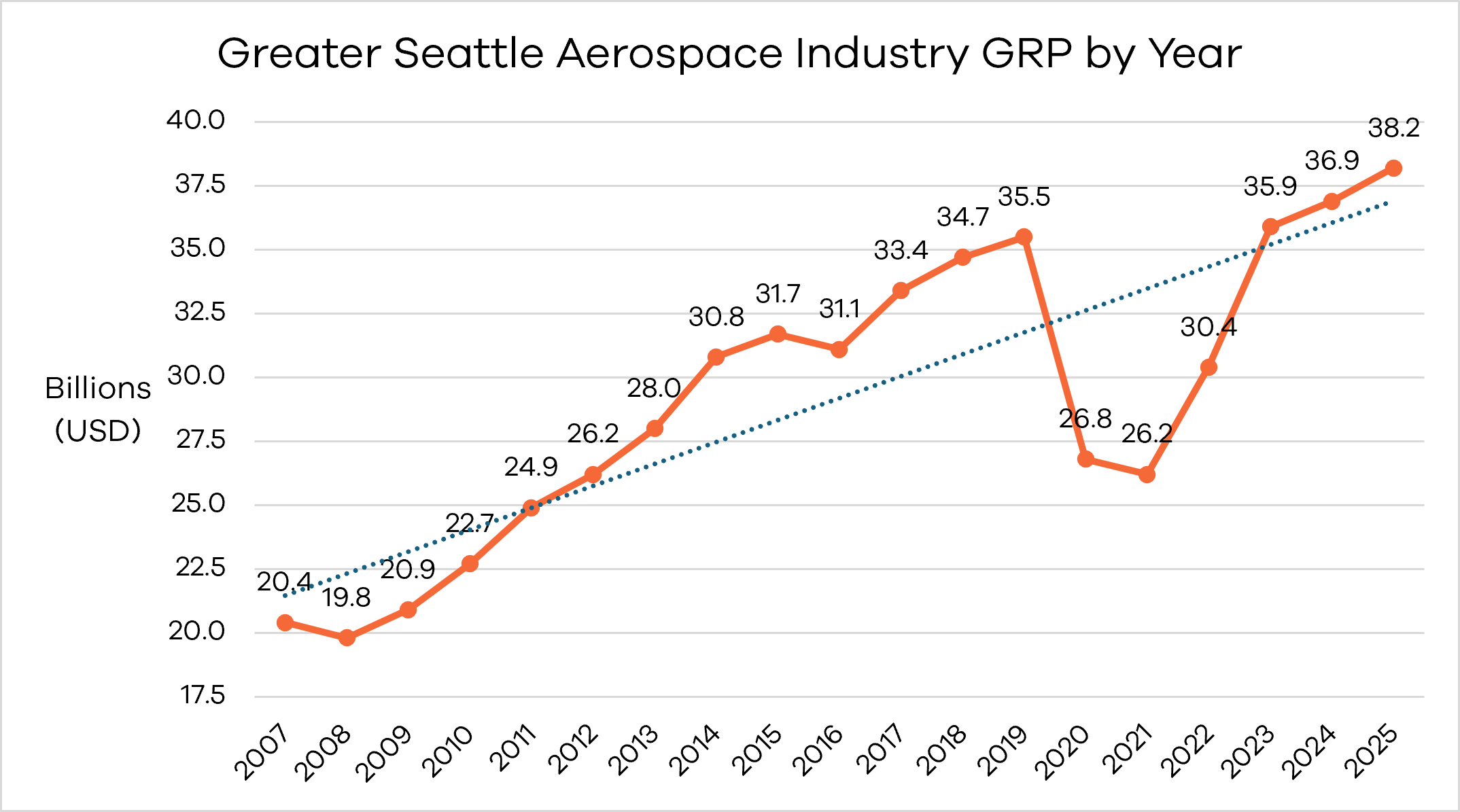
Total GRP (2025)
In exports over the last 5 years
Jobs
Companies
One of the Largest Aerospace Workforces in the United States
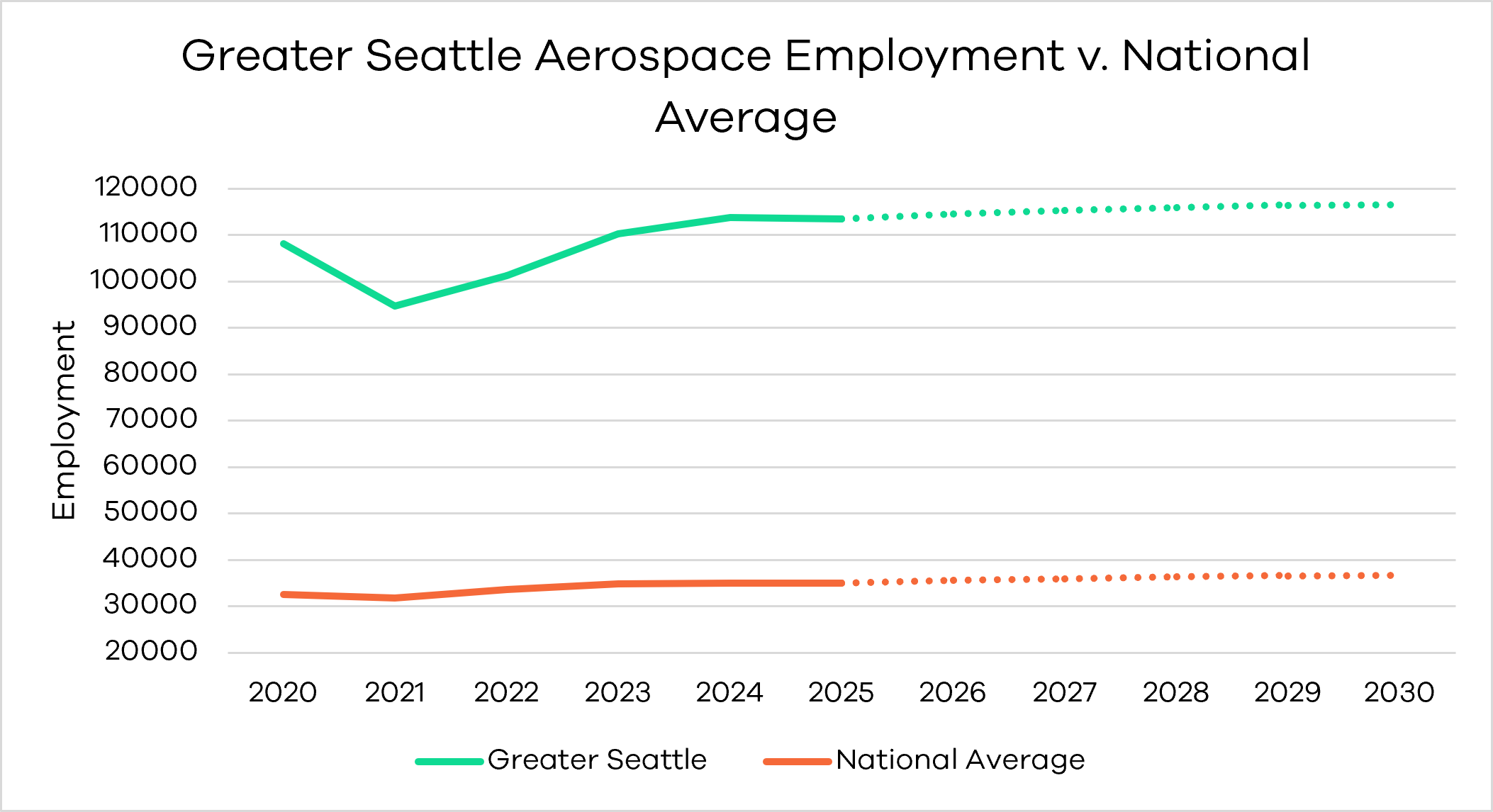
Greater Seattle employs approximately 113,500 aerospace workers, making it one of the largest aerospace labor markets in North America.
For comparison, metropolitan areas of similar size average approximately 35,000 aerospace employees, highlighting the exceptional concentration of aerospace activity within the region.
Between 2020 and 2025, aerospace employment grew by approximately 5%, with an additional 3% growth projected through 2030, reflecting continued demand for advanced manufacturing, engineering, and commercial space capabilities.
The region’s highly specialized workforce remains one of its greatest competitive advantages, supported by decades of aerospace expertise and a strong pipeline of engineering and technical talent.
Aerospace Hiring Trends
Demand for aerospace talent remained strong throughout the past year.
The companies with the highest number of aerospace-related job postings included:
- Boeing
- Blue Origin
- SpaceX
- GE Aerospace
- Alaska Airlines
The most frequently advertised positions included:
- Manufacturing Engineers
- Manufacturing Managers
- Software Engineers
- Field Service Technicians
- Quality Inspectors
These hiring patterns reflect the industry’s continued investment in advanced manufacturing, automation, software development, and next-generation aerospace technologies.
Greater Seattle Has One of the Nation’s Highest Concentrations of Aerospace Talent
The Greater Seattle region continues to rank among the nation’s most specialized aerospace economies.
| Occupation | Employment Concentration |
|---|---|
| Aircraft Manufacturing | 18.56 |
| Guided Missile & Space Vehicle Propulsion Manufacturing | 4.48 |
| Aircraft Parts & Auxiliary Equipment Manufacturing | 6.19 |
Employment concentration compares the share of workers in an industry within a region to the national average. A value greater than 1.0 indicates a higher-than-average concentration.
Greater Seattle also ranks second in the United States for Aerospace Engineer employment, according to the U.S. Bureau of Labor Statistics (May 2024), behind only the Greater Los Angeles region and ahead of Huntsville, Alabama, and the Greater Dallas region.
This deep concentration of specialized talent supports innovation across commercial aviation, defense, advanced manufacturing, satellite technologies, propulsion systems, and autonomous aerospace systems.
Aerospace Exports Continue Their Recovery
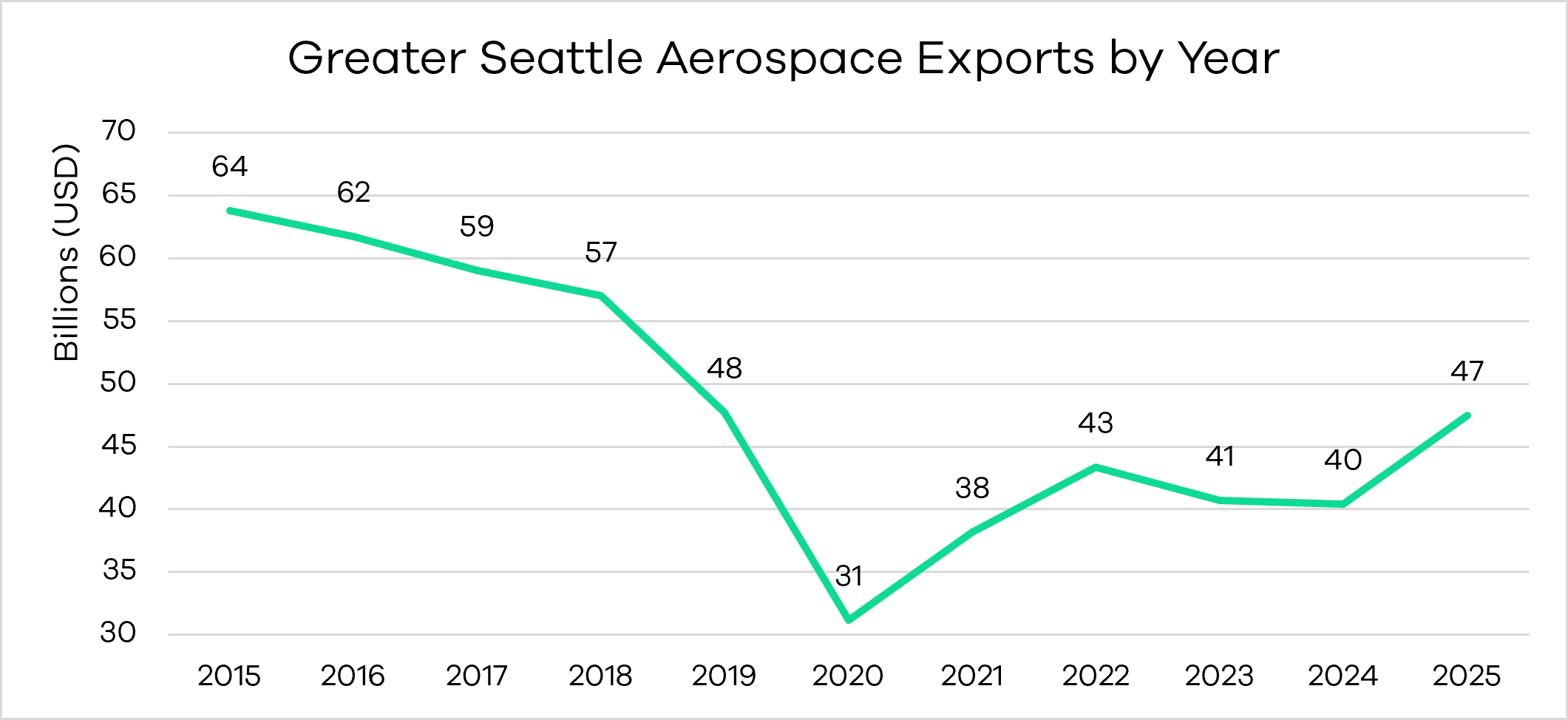
Aerospace remains one of Greater Seattle’s largest export industries. Regional aerospace exports totaled $78.5 billion over the past five years. Historically, exports declined from $63.8 billion in 2015 to $47.7 billion in 2019, representing a compound annual growth rate (CAGR) of approximately -7.0% as global aerospace markets adjusted.
The COVID-19 pandemic temporarily accelerated this decline. In 2020, exports fell to $31.2 billion, a 34.7% year-over-year decrease, reflecting disruptions to global air travel, aircraft production, and international supply chains.
Since then, Greater Seattle has experienced a steady recovery. Exports rebounded throughout 2021 and 2022, stabilized during 2023 and 2024, and increased to $47.5 billion in 2025, representing 17.5% year-over-year growth and the highest export value since 2019.
From the 2020 low point, aerospace exports have grown at a compound annual growth rate of approximately 8.8%, demonstrating the industry’s resilience and long-term competitiveness.
Greater Seattle’s Accelerating Space Economy
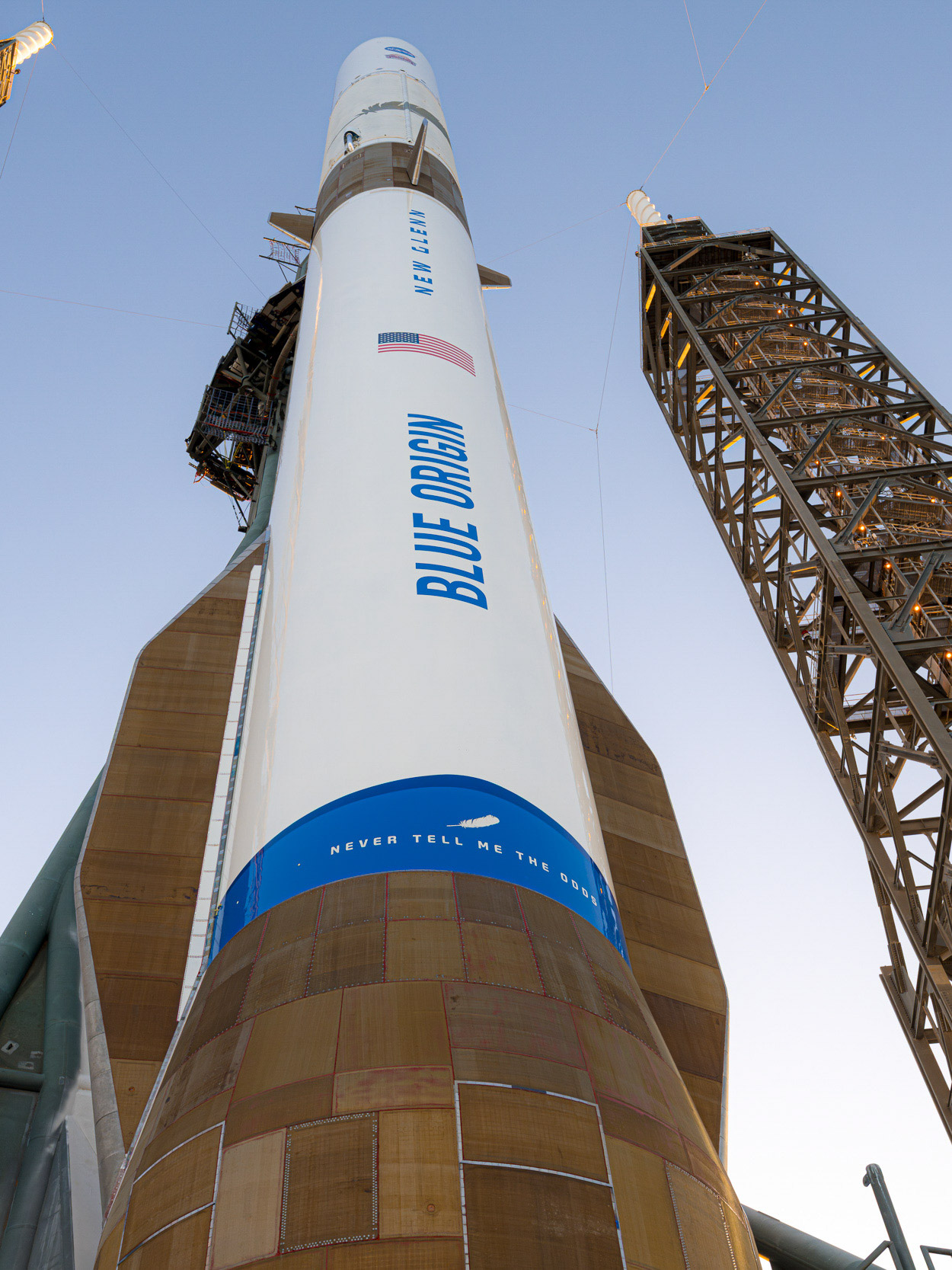
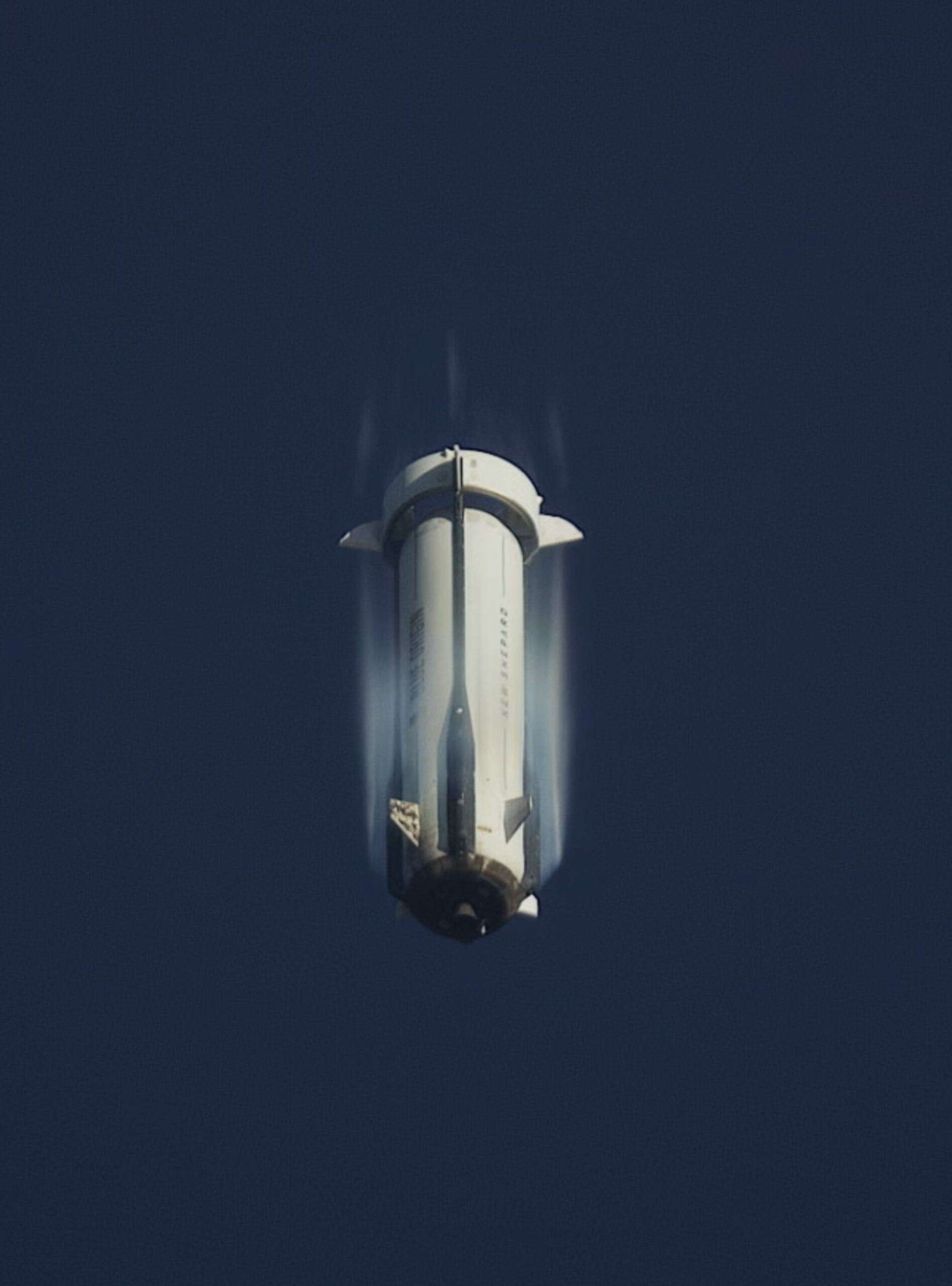
Commercial space has become one of the region’s fastest-growing industries. Greater Seattle is now home to more than 90 commercial space companies, spanning satellite manufacturing, launch systems, propulsion technologies, Earth observation, advanced materials, robotics, and space software.
The region’s space economy has more than doubled during the past four years, supported by significant private investment, engineering talent, and close collaboration among industry, research institutions, and advanced manufacturers.
Today, Washington manufactures more than 65% of all operational satellites currently orbiting Earth, making the state one of the world’s leading satellite production centers.
Looking ahead, Washington is projected to manufacture 78% of all current and future FCC-approved satellites, reinforcing Greater Seattle’s position as one of the most important commercial space clusters globally.
Why Aerospace Companies Continue to Choose Greater Seattle
Greater Seattle offers aerospace companies a unique combination of assets that are difficult to replicate elsewhere:
- The nation’s largest aerospace supply chain
- One of America’s deepest aerospace engineering workforces
- Global leaders in aircraft manufacturing and commercial space
- Strong university research and engineering talent
- Advanced manufacturing capabilities
- International trade connectivity through major ports and airports
- A collaborative innovation ecosystem supporting startups and established manufacturers
As commercial aviation recovers and investment in space technologies accelerates, Greater Seattle remains well positioned to lead the next generation of aerospace innovation.
Source: Lightcast (2026), WISERTrade (2026), U.S. Bureau of Labor Statistics (May 2024)
The report was researched and written by Dr. Victoria DePalma, Greater Seattle Partners Research Director.
Other 2025 Greater Seattle Region Reports:
King County Economic Overview 2025
Pierce County Economic Overview 2025
Snohomish County Economic Overview 2025
Greater Seattle Trade Overview 2025
Greater Seattle Foreign Direct Investment Overview 2025
Greater Seattle Startup Funding and Venture Capital Trends 2025
Ready to take advantage of everything Greater Seattle has to offer?